How to Participate in Regional Cultural Exchange Programs
Participating in regional cultural exchange programs can be an enriching experience, offering opportunities for education, community involvement, and personal growth. This article explores how to effectively engage in these programs while managing expectations and understanding the commitment involved.
Understanding Cultural Exchange Programs
Cultural exchange programs are designed to promote mutual understanding and appreciation between different cultures. According to research, these programs often foster greater cultural awareness and can significantly enhance personal and professional development. Many participants report that their involvement has led to improved communication skills and a broader worldview.

"Cultural exchange is not just about sharing your culture; it's about learning from others and building lasting relationships."
Steps to Participate in Cultural Exchange Programs
Engaging in regional cultural exchange programs typically involves several steps:
- Research Opportunities: Start by looking for programs available in your area. Many local organizations, community centers, and educational institutions offer exchange opportunities. Websites like Dornenwald can serve as valuable resources for finding programs that align with your interests.
- Understand the Commitment: Participation often requires a significant time investment, typically ranging from a few weeks to several months. Be prepared to engage actively in the program, which may involve attending meetings, workshops, and cultural events.
- Application Process: Most programs require an application. This often includes submitting a personal statement explaining your interest and how you hope to contribute to and benefit from the exchange. Ensure your application reflects a genuine interest in cultural interaction.
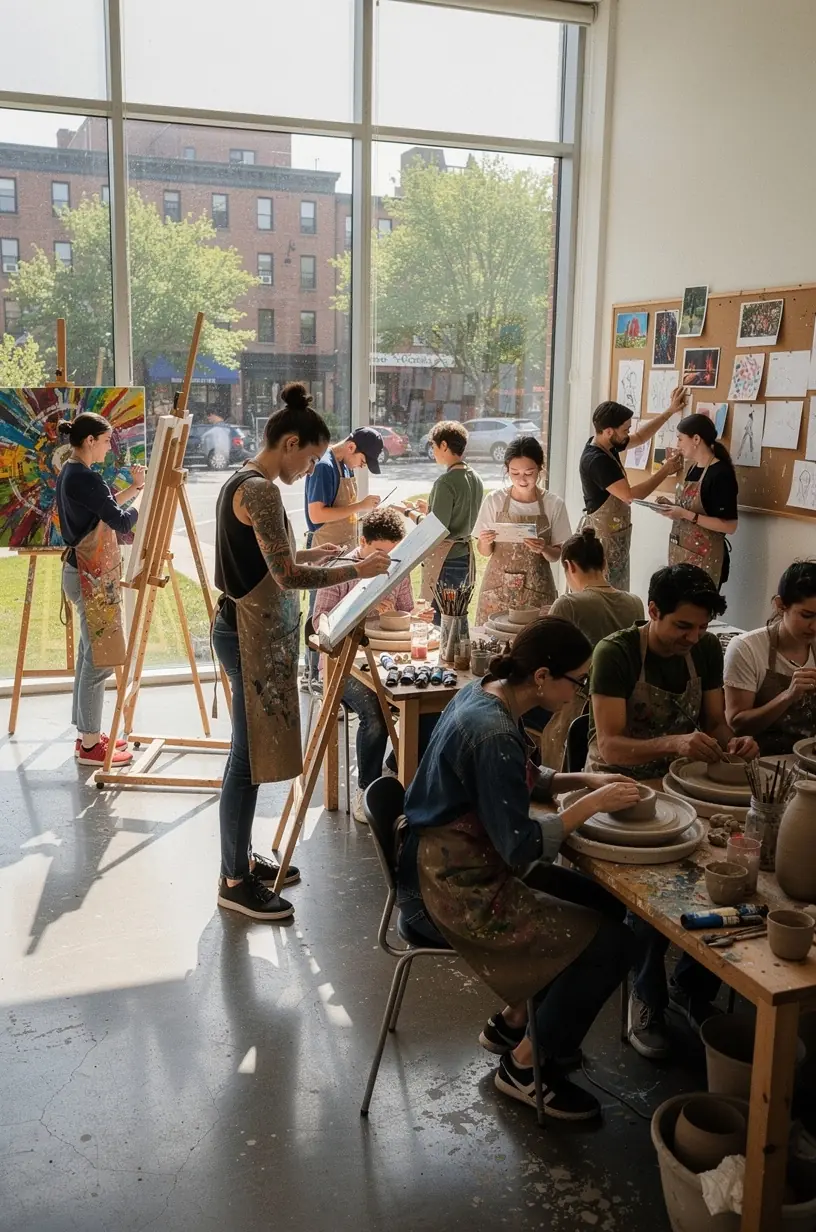
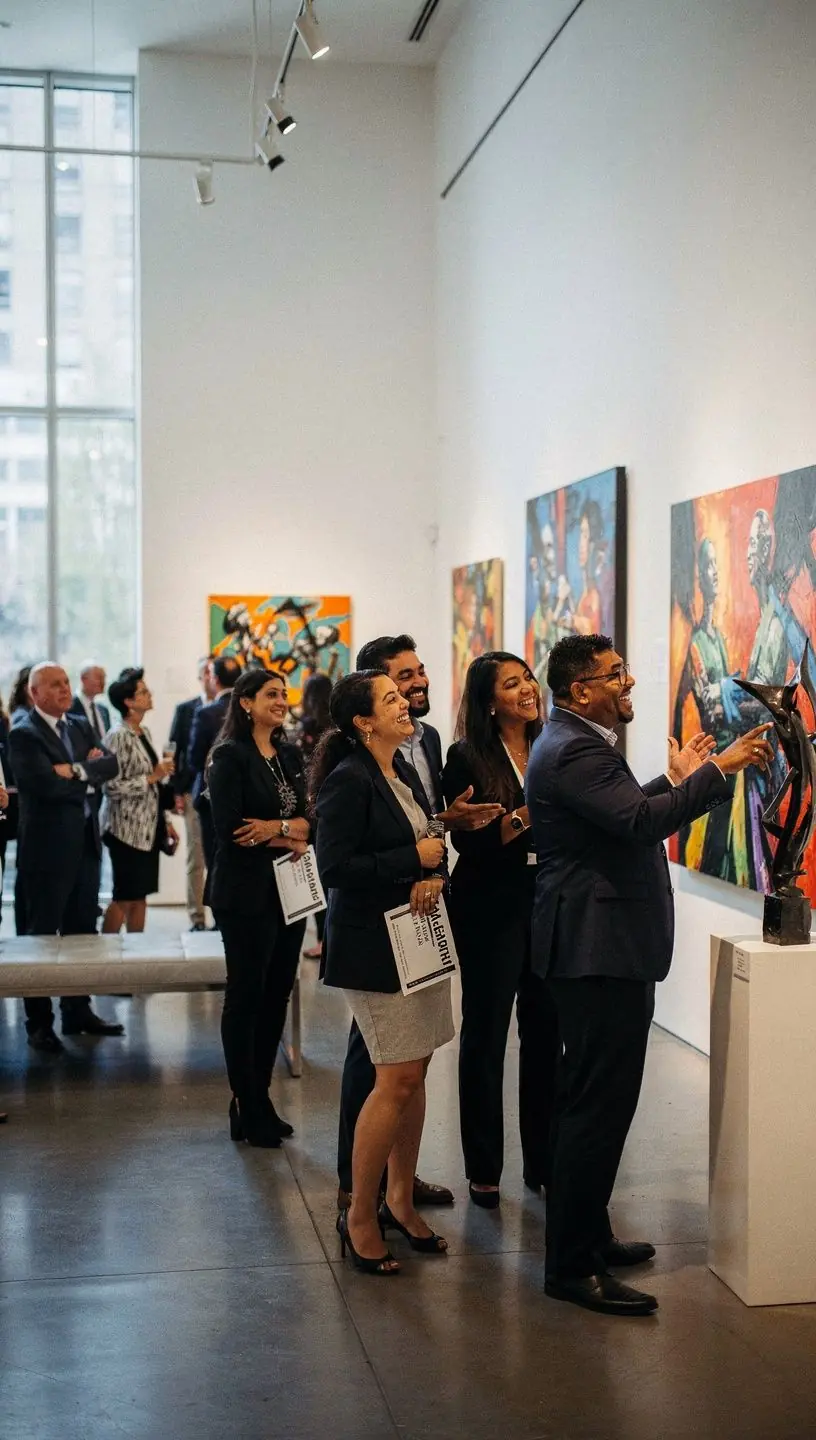
- Participation in Activities: Once accepted, actively participate in all scheduled activities. Engaging with other participants and the community is crucial for maximizing the experience. This may include volunteering, attending cultural festivals, or participating in workshops.
- Reflect and Share: After the program, take time to reflect on what you learned and how it impacted you. Sharing your experiences with others can help reinforce your learning and encourage more people to participate in cultural exchanges.
Setting Realistic Expectations
While cultural exchange programs can be transformative, it’s essential to approach them with realistic expectations. Research indicates that participants often experience both challenges and rewards, and it may take time to adjust to new cultures and environments. Commitment to the process is key, as is a willingness to face and learn from any difficulties that arise.
Conclusion
Participating in regional cultural exchange programs can be a highly rewarding experience, offering valuable insights and connections. By understanding the commitment involved and following a structured approach, you can make the most of these opportunities. Remember, the goal is not only to share your culture but also to learn from others, creating a richer understanding of the world around you.