Navigating State Fairs: A Cultural Experience
State fairs are a vibrant tapestry of regional culture, showcasing local traditions, agricultural achievements, and community spirit. Participating in these events can provide unique insights into the cultural fabric of the United States. In this article, we will explore what state fairs typically offer, how to navigate them effectively, and the benefits of offline participation.
Understanding the Basics of State Fairs
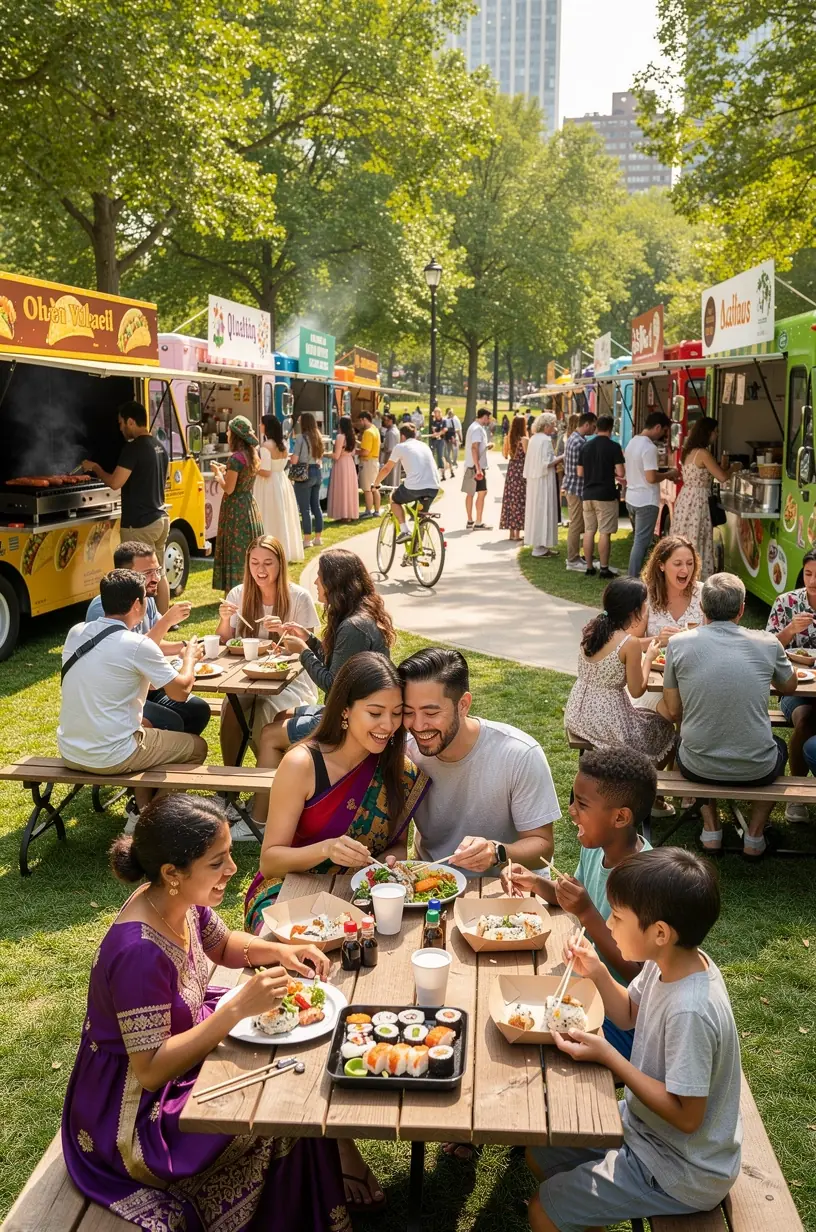
State fairs have a rich history in the U.S., often serving as a platform for local farmers, artisans, and performers to display their talents and products. According to research by the National Association of State Fair Managers, these fairs attract millions of visitors annually. They typically feature agricultural exhibits, amusement rides, concerts, and a variety of food vendors that showcase regional culinary specialties.
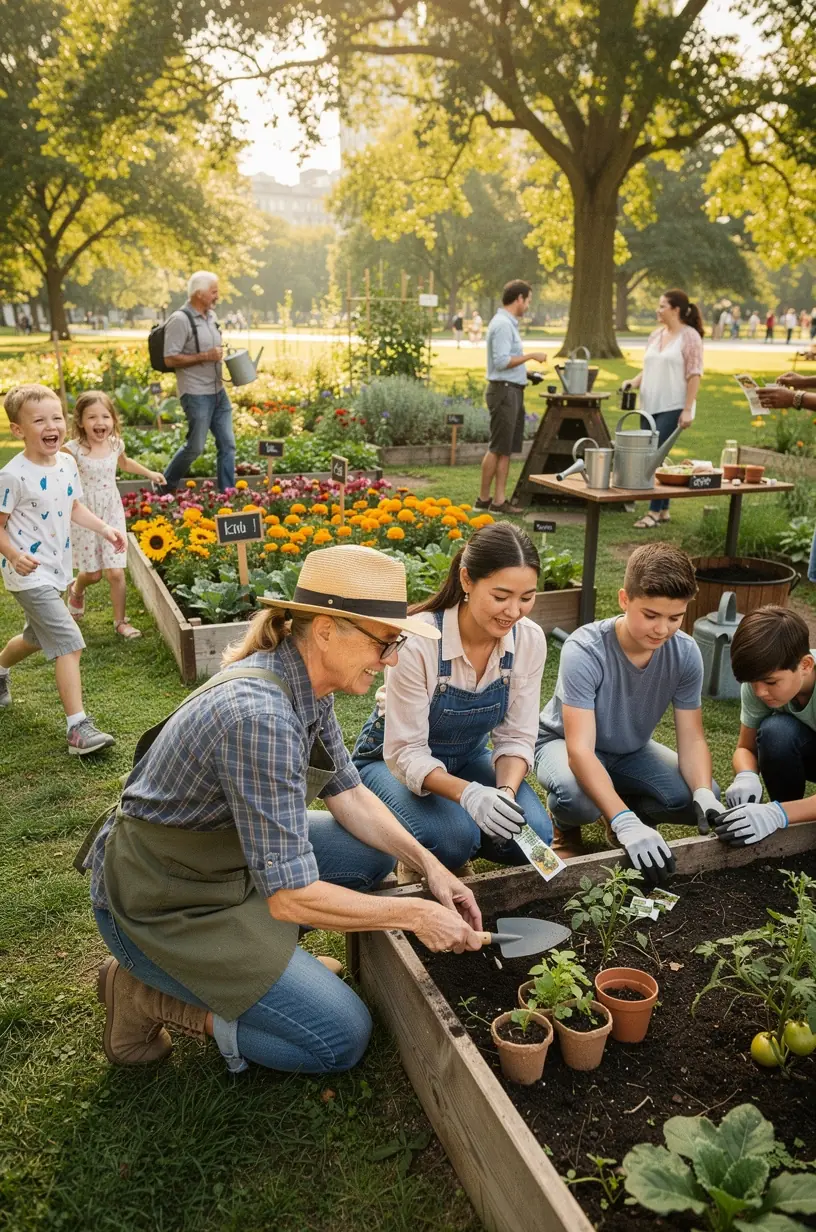
"State fairs play a significant role in preserving local culture and fostering community connections," says cultural expert Dr. Jane Anderson.
Why Attend a State Fair?
Attending a state fair can be beneficial for several reasons:
- Community Engagement: State fairs often encourage participation from local residents, fostering community spirit and engagement. Many visitors report forming lasting connections through shared experiences.
- Cultural Education: Fairs often highlight local history and traditions, providing an educational experience for all ages. Experts recommend visiting exhibits and attending workshops to maximize understanding.
- Support Local Economy: By purchasing goods from local vendors, attendees help support the regional economy. This can be especially impactful for small-scale farmers and artisans, according to economic studies.
How to Navigate a State Fair Effectively
To make the most of your state fair experience, consider the following tips:
- Plan Ahead: Before attending, check the fair’s schedule and map out key events or exhibits you want to experience. This can help you navigate the fair more efficiently.
- Arrive Early: Arriving early can give you a head start on popular attractions and help you avoid long lines. Many fairs have less crowded mornings, allowing for a more relaxed experience.
- Engage with Vendors: Take time to speak with vendors and exhibitors. They often share fascinating insights about their products and can provide recommendations for must-try items.
Potential Limitations to Consider
While state fairs can be exciting, it’s essential to acknowledge certain limitations:
- Time Commitment: Experiencing everything a state fair has to offer may require a full day or more, depending on the size of the fair. Visitors should plan accordingly to ensure they can enjoy various activities.
- Crowd Management: State fairs can attract large crowds, particularly during weekends. This may lead to longer wait times for rides and food. Being patient and flexible can enhance your enjoyment.
- Accessibility: Some fairs may not be fully accessible for individuals with disabilities, so it’s advisable to check beforehand if accessibility services are available.
Conclusion
Navigating state fairs can be a rich cultural experience if approached with an understanding of the offerings and potential challenges. Engaging with local traditions, supporting community efforts, and gaining insight into regional culture can serve to enhance your knowledge and appreciation of the diverse tapestry that is the United States. With careful planning and an open mind, your state fair visit may prove to be a memorable cultural adventure.
Explore More