Practical Guide to Organizing a Neighborhood Block Party
Block parties can foster community spirit and create lasting connections among neighbors. Organizing one, however, requires careful planning and execution. This guide offers practical insights into how to successfully host a neighborhood block party, with an emphasis on preparation and community engagement.
Understanding the Basics
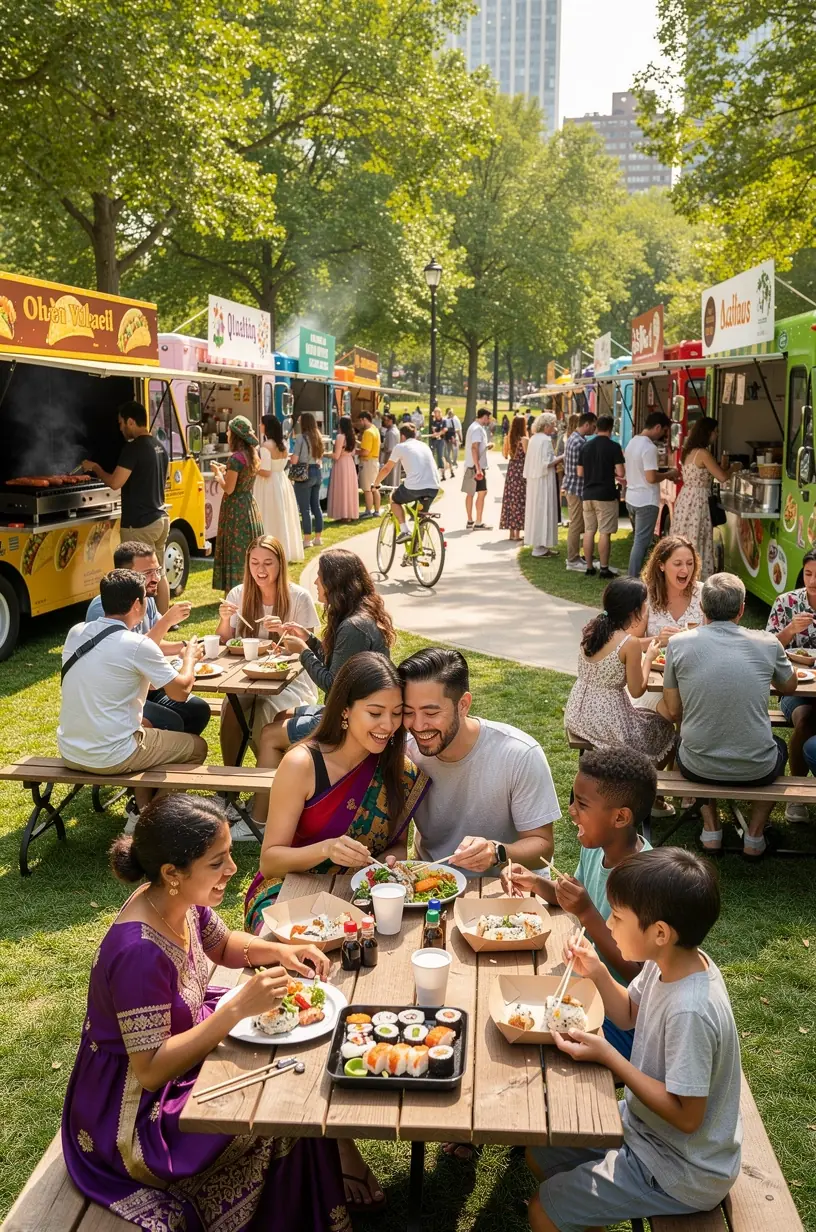
Block parties are informal gatherings that typically involve residents of a single street or neighborhood coming together to celebrate their community. According to the National Recreation and Park Association, such events can help strengthen community ties, as people often report feeling more connected to their neighbors after participating in communal activities.
Steps to Organize a Block Party
Organizing a block party involves several important steps:
- Get Neighborly Support: Before proceeding, it’s crucial to gauge interest among your neighbors. You might consider distributing flyers or conducting a simple survey to understand who would like to participate. Engaging your neighbors early can lead to increased turnout, as studies show that community involvement often depends on initial interest.
- Set a Date and Time: Choose a date that works for the majority. Weekends are typically the most convenient, but remember to check for potential conflicts, such as holidays or local events. Giving at least 4-6 weeks' notice is advisable, as it allows time for planning and preparation.
- Plan Activities: Activities can vary widely based on community interests. Some popular options include games for children, potluck meals, or live music. Experts recommend incorporating activities that encourage participation, as this typically enhances the overall experience for everyone involved.
- Obtain Necessary Permits: In many areas, hosting a block party may require permits, especially if you're planning to close off a street. It’s advisable to check with your local government or neighborhood association to understand any regulatory requirements. This step is often overlooked but is crucial for a legal and safe gathering.
- Communicate Clearly: Once the details are set, communicate them effectively. Use social media, neighborhood apps, or traditional flyers to inform everyone of the date, time, and planned activities. Clear communication can help ensure that everyone feels included and informed.
Safety and Considerations
While block parties are generally safe, it's essential to consider certain factors to promote a secure environment:
- Traffic Control: If you're closing off a street, consider how to manage any traffic that may need to be diverted. Having volunteers stationed at strategic points can help keep participants safe.
- Food Safety: If you're organizing a potluck, remind participants to follow food safety practices. Providing guidelines on dishes that need refrigeration or cooking can help prevent foodborne illnesses.
- Inclusivity: Aim to create an environment where all neighbors feel welcome. Consider activities that are accessible to everyone, including children and individuals with disabilities.
Conclusion
Organizing a neighborhood block party can be a rewarding experience that fosters community engagement and connection. By following these practical steps, you can create an event that not only entertains but also strengthens the fabric of your neighborhood. Remember, while the planning process may require effort and attention to detail, the sense of community that emerges can be immensely gratifying.
"Community events like block parties can significantly enhance social ties among neighbors, leading to improved neighborhood safety and well-being." - Community Development Expert
Explore More