How to Engage with Cultural Heritage Festivals
Cultural heritage festivals offer a unique opportunity to connect with the past while enjoying vibrant community interactions. Engaging with these events can enhance your appreciation for local traditions and foster a sense of belonging. Here’s how you can get involved effectively.
Understanding Cultural Heritage Festivals
Cultural heritage festivals are typically organized events that celebrate the traditions, art, music, and history of specific communities. According to the National Endowment for the Arts, participation in such events can help individuals strengthen their cultural identity and enhance their community engagement. These festivals often feature food, crafts, performances, and educational workshops that provide insights into the different facets of cultural heritage.
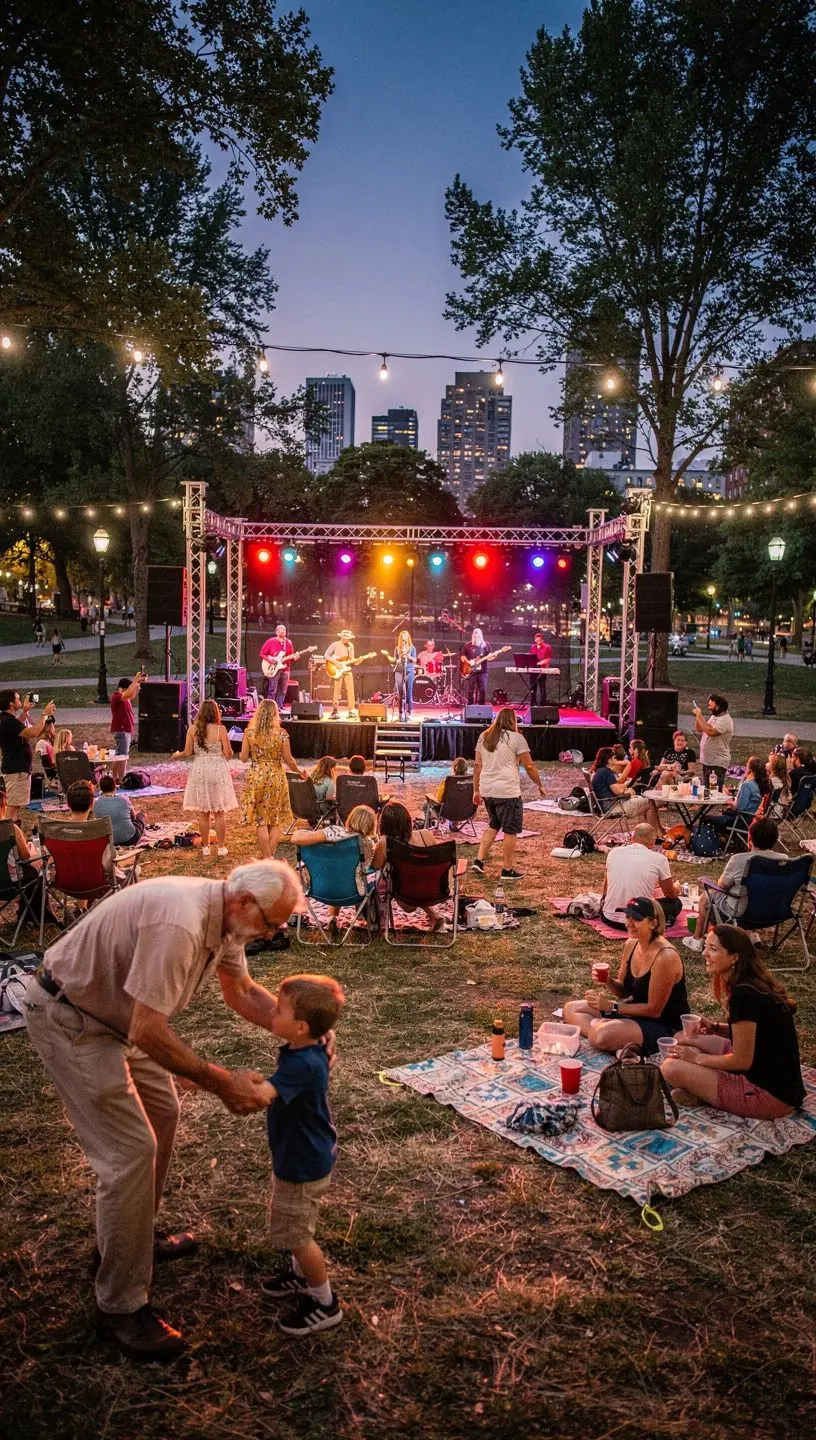
"Engagement with cultural heritage can foster a greater sense of community and belonging, which is essential in today’s diverse society."
Why Participate?
Engaging with cultural heritage festivals can bring numerous benefits:
- Educational Opportunities: Many festivals offer workshops and demonstrations that provide a deeper understanding of cultural practices. Research indicates that experiential learning often leads to better retention of information.
- Community Connection: Participating in local festivals typically helps individuals connect with neighbors and other community members, fostering relationships that extend beyond the event.
- Cultural Appreciation: Exposure to diverse cultures and traditions can enhance empathy and appreciation for others, which experts suggest is crucial in building inclusive communities.
How to Get Involved
If you’re interested in engaging with cultural heritage festivals, here are some practical steps to consider:
- Research Local Festivals: Look for events in your area. Websites like local cultural councils or community boards often provide comprehensive listings of scheduled festivals.
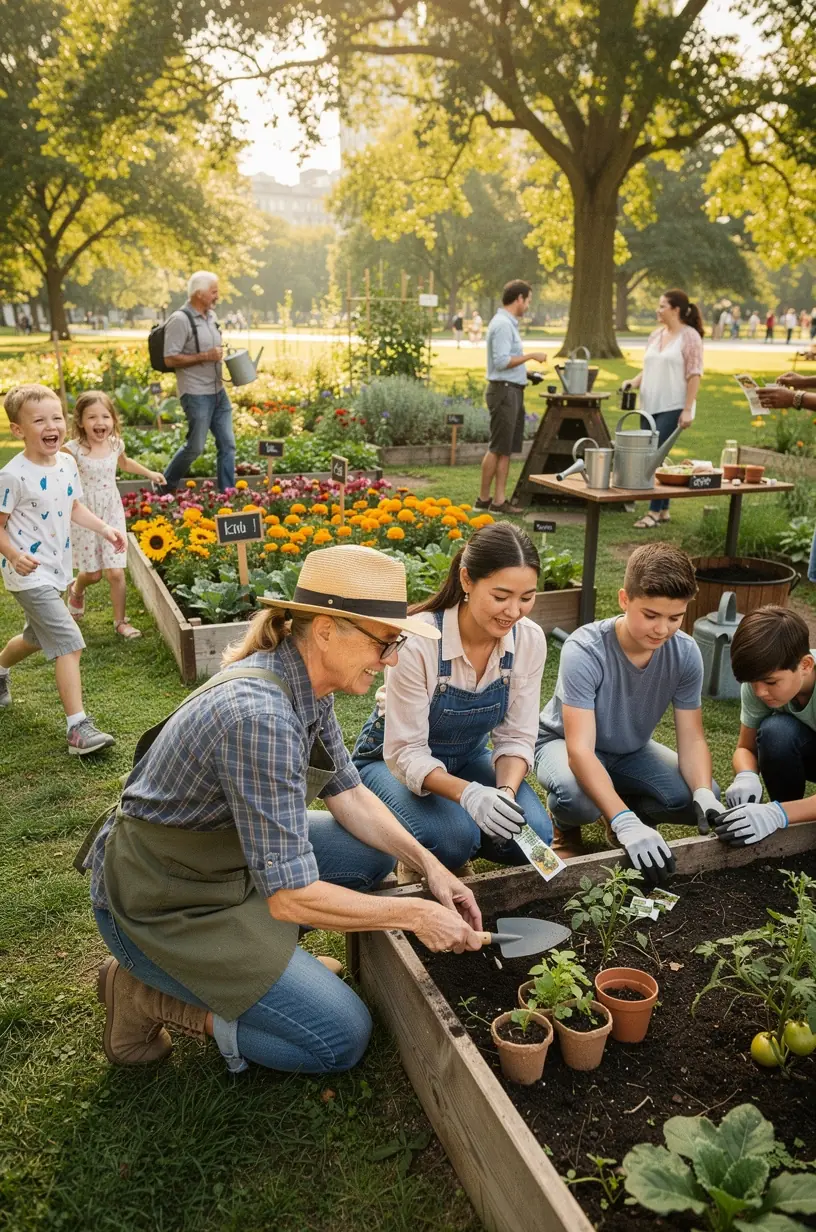
- Volunteer: Many festivals rely on volunteers to help with logistics. Volunteering can provide you with behind-the-scenes insights and a deeper understanding of the cultural significance of the event. This typically requires a time commitment ranging from a few hours to several days.
- Attend Workshops: Many festivals include workshops that invite attendees to learn traditional crafts or cooking techniques. Engaging actively can enhance your experience and provide practical knowledge!
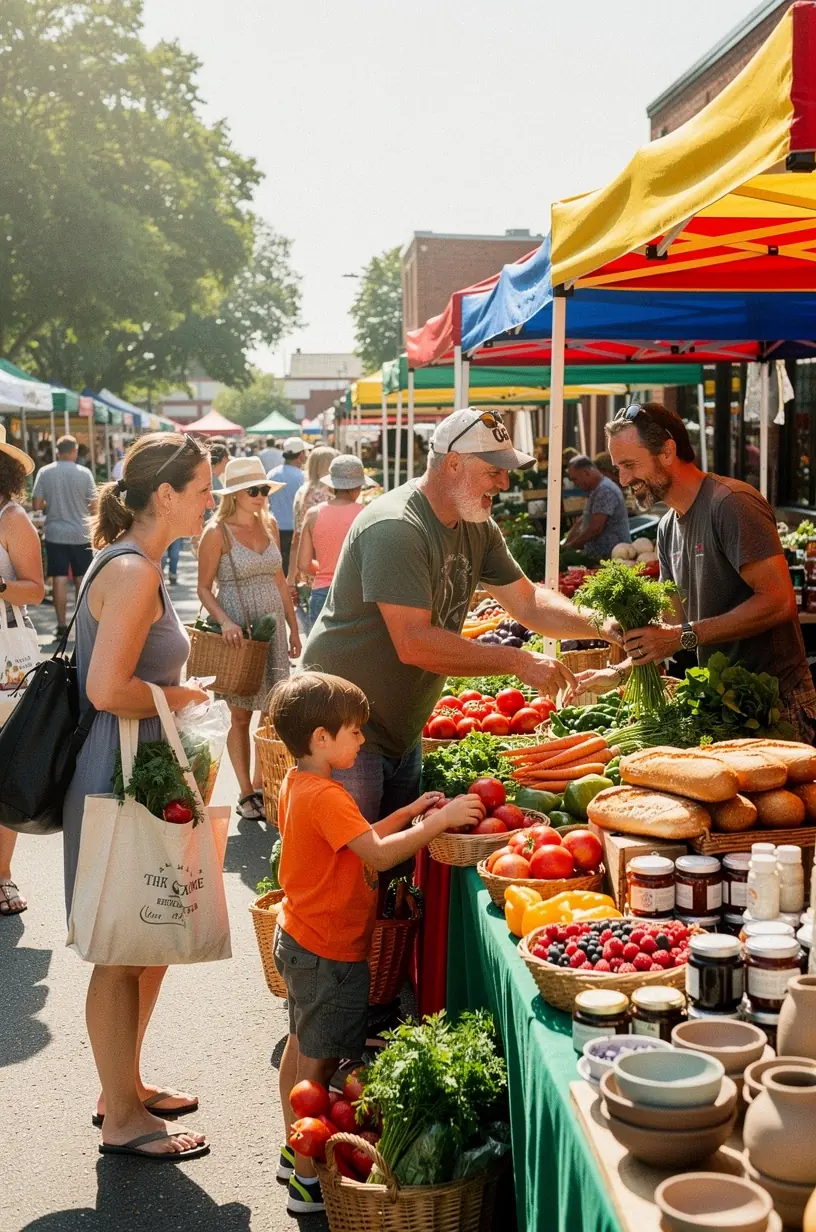
- Support Local Artisans: Purchasing handmade goods or food from festival vendors helps support the local economy and sustains cultural practices. This encourages artisans to continue their craft, ensuring these traditions are passed on to future generations.
Challenges and Considerations
While engaging with cultural heritage festivals can be rewarding, it’s important to acknowledge some challenges:
- Time Commitment: Participating fully often requires a significant time investment. Planning ahead can help ensure you can attend without feeling rushed.
- Access and Inclusivity: Some festivals may not be fully accessible to all community members. Advocating for inclusivity can help improve future events.
- Respect for Traditions: Understanding the cultural significance behind certain practices is vital. Engaging respectfully will enhance your experience and demonstrate your commitment to honoring the culture.
Conclusion
Engaging with cultural heritage festivals can be a fulfilling experience that fosters community bonds and enriches your understanding of diverse cultures. By researching, volunteering, and actively participating, you can contribute to the preservation and celebration of cultural traditions. Remember, while the journey may come with its challenges, the rewards of connection and learning are well worth the effort.
Explore More